How Motivational Incentives Work in SUD Treatment
Overcoming addiction can be hard for a number of biological and psychological reasons. A major contributing factor? The way many addictive substances affect the brain’s reward system. Often, these substances produce an immediate and powerful sense of pleasure by triggering a large surge of dopamine–a neurotransmitter associated with feelings of motivation, reward, and reinforcement.
This is why many experts in the field of Substance Use Disorder (SUD) treatment argue that motivational incentives can help compete with the internal reinforcements people get from drug use. When combined with other therapeutic treatments, these types of incentives can make the recovery process more effective.
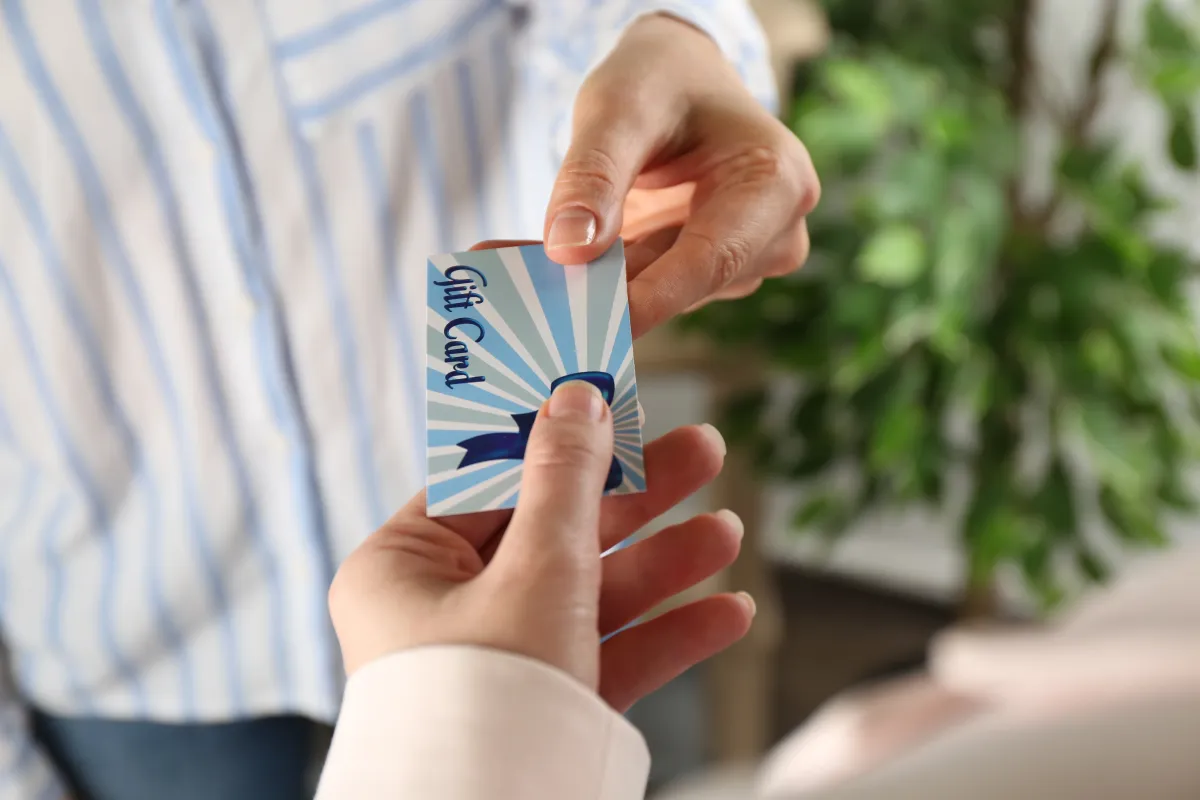
How Do Motivational Incentives Work for SUD Treatment?
The use of motivational incentives in SUD treatment is also referred to as Contingency Management. It involves using tangible incentives to reinforce positive behaviors. Here’s what the process typically looks like:
- The counselor and client will work together to create specific, measurable behavioral goals, such as drug-negative urine samples at regular intervals.
- The client receives a tangible reward when goals are met.
- Small goalposts and rewards are gradually increased over time.
- Rewards are withheld and immediate feedback is provided when goals are not met.
This form of treatment is evidence-based and proven to be effective for cannabis, tobacco, and alcohol disorders. It’s also a flexible format that can be adapted to individuals.
What Is the Theory Behind Motivational Incentives in Treating Substance Use Disorder?
The goal of motivational incentives is to empower clients to align with their own values and personal goals through tangible rewards. Over time, these rewards should help individuals maintain their stability even when they’re experiencing inner turbulence.
It looks different from client to client and can be combined with other therapeutic treatments. Here are some of the underlying theories behind motivational incentives:
-
Counteracting the Brain’s Reward System
In addiction recovery, the gap between a person’s cognitive desire to quit and the immediate, powerful urge to use can be a major roadblock to recovery. With motivational incentives, the goal is to bridge this gap and make abstinence more appealing. -
Providing Immediate Reinforcement
The urge to use an addictive substance is driven by the desire for immediate reward. Providing a motivational incentive at the same time as the positive behavior (abstinence) can both replace the dopamine surge of drug use and delay any negative consequences. -
Keeping Patients Engaged
When a reward system is in place, individuals are more likely to continue attending therapy, meetings, and check-ups. What’s more, this increased attendance is likely to help clients and therapists build stronger feelings of trust and alliance.
Motivational incentives are an evidence-based treatment and have been proven effective for both adults and adolescents.
Types of Motivational Incentives
There are several different types of motivational incentives that can be used to treat SUD. They all work pretty much the same in that the reward is given when the goal is achieved and withheld when an individual falls short. Regardless of the type of incentive, rewards are given/withheld in conjunction with meetings with a counselor. Those meetings involve discussions of:
- Substance use
- Cravings
- Missed sessions and their justification
- Positive verbal reinforcement when goals are met
- Encouragement and support when goals are not met
If the chosen reward does not appear to be effective, the counselor may also discuss alternative prizes for future sessions.
Prize-Based
Prize-based incentives are usually drawn from a bowl, with small, medium, and large prizes available for varying levels of achievement. Possible prizes include tech gadgets, branded swag, wellness perks, and concert tickets.
Voucher/Finance-Based
Voucher/finance-based incentives work pretty much the same way, except the prizes take the form of cash or vouchers. This is a highly effective form of motivational incentive treatment, with prizes varying from $2 to $1000 depending on the difficulty of the goal set and met.
Privilege-Based
This type of motivational incentive is less common, but equally effective. It works best for clients involved in inpatient or outpatient treatment centers, with privileges ranging from later curfews to computer use and driving privileges.
Negative Reinforcement
Negative reinforcement works a little differently from the other types of motivational incentives. Rather than provide a reward for a met goal, this system uses the removal of a negative or uncomfortable symptom. For example, certain medications, like methadone, can be used to reduce withdrawal symptoms. Additionally, a counselor may reward a client with fewer check-ins or tests when goals are met.
Anyone who is interested in motivational incentives as a treatment for SUD should talk with their counselor or treatment facility to learn more about the possible reward types and how they might work for their case.
How Motivational Incentives Work in Therapy
The best time to undergo motivational incentives for addiction is when an individual is enrolled in an inpatient or outpatient drug or alcohol treatment program. However, after a person has achieved sobriety, this form of treatment can also be used to maintain their stability.
Addiction can be a complicated experience, and individuals may experience a lack of motivation at any stage of the process–including after they have become sober. Motivational incentives, especially when combined with talk therapy, can help to encourage consistency and routine. Because therapy helps recovering addicts better understand their cravings and triggers, change harmful thought patterns, and build effective coping strategies, it’s an essential tool for achieving long-term results.
Therapists
These are our therapists who are experienced in working with Substance Abuse and Addiction.