The Overlap Between Developmental Disabilities and Mental Health
Intellectual and developmental disabilities (IDD) often co-occur with mental illness. When that happens, it can be challenging to make clear distinctions between symptoms, their impacts, and effective treatments.
As treatments and resources for individuals with IDD continue to expand, people with these disabilities will continue to live longer and more meaningful lives. However, as the loved one of someone with an IDD, you know that the goal is not simply a longer life, but a happy and healthy one. When poor mental health stands in the way of that goal, information and guidance from a qualified mental health counselor can help you start on a better path.
What Are Developmental Disabilities?
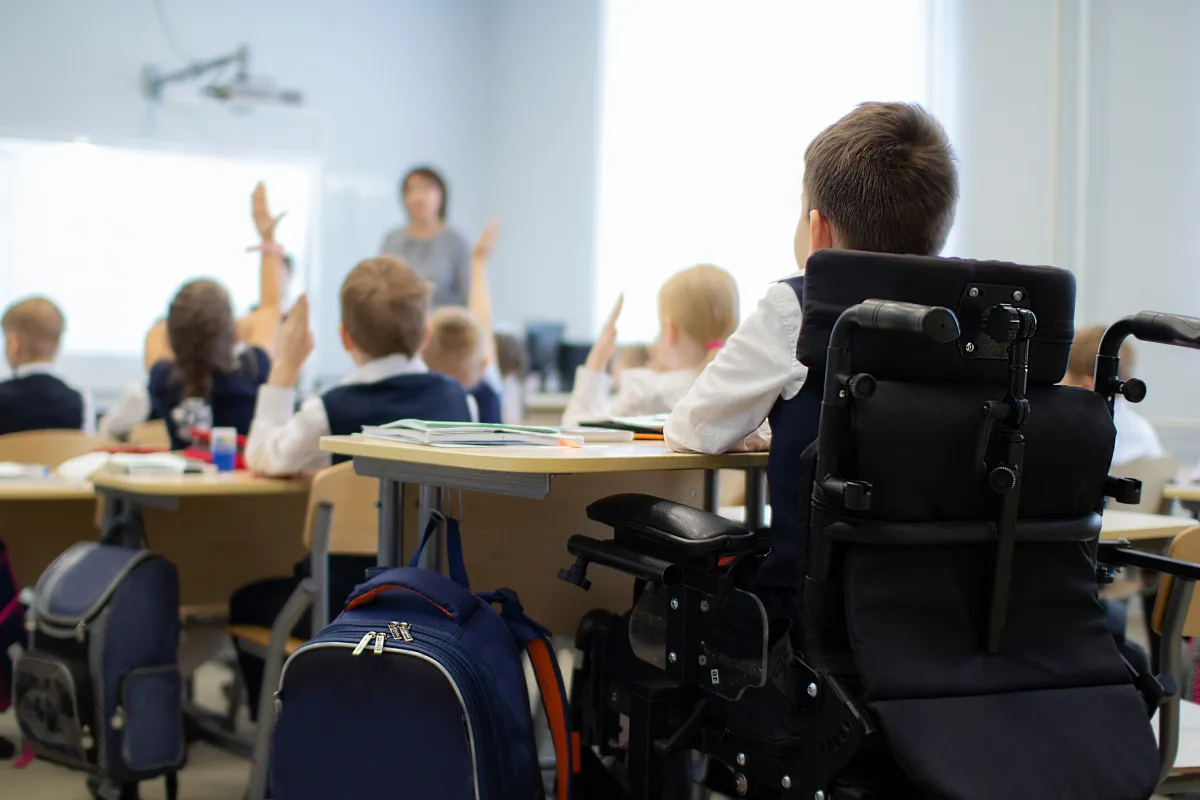
“Intellectual and Developmental Disabilities” is a broad term for a group of conditions that cause impairments in learning, physical, behavioral, and/or language development. The causes of most of these conditions are complex, but usually involve a mix of genetic and environmental factors. Common IDDs include:
- Fetal alcohol syndrome
- Down syndrome
- Fragile X syndrome
- Autism spectrum disorder
- Cerebral Palsy
Traumatic brain injuries, learning disorders, and developmental delays can also be included on this list.
IDDs affect over 2 million adults worldwide, and it is estimated that around 17% of children between the ages of 3 and 17 have a developmental disability. Despite their developmental challenges, these individuals are often as physically healthy as their peers. But, as a parent, guardian, or family member, you may wonder if your loved one is getting the mental health support they need.
How and Why an IDD May Affect Mental Health
According to the CDC, adults with disabilities experience a higher rate of mental distress than adults without disabilities. This is likely due to a wide range of factors, including the difficulty in developing essential life skills. Academics, self-care, communication, and relationship building can all be made much more challenging with an IDD.
Thankfully, there are ways to lighten the mental health burden placed on an individual with a developmental disorder. First, it’s important to understand exactly what’s going on and identify any other factors that may be at play. Commonly, we see these kinds of issues contributing to the poor mental health of our clients with IDD.
Trauma
Sadly, children and youth living with IDD are exposed to trauma at a higher rate than their peers. These individuals are more likely to experience neglect, abuse, and seclusion. What’s more, medical trauma from surgeries, invasive procedures, and chronic health problems can lead to issues as well.
In addition to causing depression and/or anxiety, trauma can have other negative effects on mental health. It can cause feelings of shame, rage, or guilt, as well as avoidance issues, sleep and energy issues, and a host of other negative outcomes. Thankfully, counseling is a great way to combat these issues and help a person with IDD move past their trauma.
Isolation
Having a disability can be extremely isolating. And when an individual feels isolated or struggles to connect with their peers, it can lead to intensely negative mental health outcomes. Anxiety and depression are common for those who face IDD and social isolation because we all need social support throughout our lives. What’s more, social isolation can negatively impact cognitive health and physical well-being.
If you or your loved one is coping with IDD and social isolation, a counselor can help you get started on a better path. At NPS, we help clients identify areas of concern and create wellness plans for improvement. Whether your social isolation is self-imposed, due to discrimination, or due to inaccessibility, we can help you access the resources you need to find relief.
Communication Barriers
Believe it or not, effective communication is a key component of mental health. Because some individuals with IDD experience communication challenges, their ability to receive and express messages from and to loved ones, friends, and healthcare providers can affect their quality of life. As a result, they are at a higher risk of anxiety, depression, isolation, and poor self-esteem.
Stigma
Stigma has been shown to significantly harm the mental health of individuals with IDD. It may take the form of discrimination, stereotyping, or even exclusion from opportunities in school, at work, or amongst peers. Whatever the case, these stigmas can leave individuals feeling ashamed, isolated, and stressed. As a result, depression, anxiety, loneliness, and other psychologically distressing conditions may occur.
Keep in mind that trauma, isolation, communication barriers, and stigma are just some of the possible factors affecting your or your loved one’s mental health. To better understand what’s going on, we recommend talking to a qualified counselor who can delve deeper into the circumstances and factors involved.
Available Treatments
The best approach to mental health care will be one that is tailored to the needs and conditions of the individual. For example, a person with autism and anxiety may respond differently to a given treatment than someone with Down Syndrome and PTSD.
That said, there are a few treatments we recommend to most clients because we find them helpful in building awareness, improving communication, and rerouting negative thoughts and behaviors. Cognitive Behavioral Therapy is one such treatment. It works by identifying and challenging negative thought patterns and can be effective in treating anxiety, depression, PTSD, and other disorders.
Call NPS for a Free Meet & Greet
As we’ve mentioned, a qualified counselor can help guide you to and on the best path forward. At NPS, we’ve helped countless clients with IDD manage their mental health. We can also provide support for family members and loved ones who are likewise struggling. To learn more, give us a call at (815) 477-4727. When you do, be sure to ask about our free 15-minute meet & greets for new clients!
Therapists
These are our therapists who are experienced in working with Special Needs.