When to See a Sleep Specialist
Estimates vary on the number of people who struggle to get good sleep, but most experts suggest that at least 30% of the population suffers in this way. Some people struggle to fall asleep, others to stay asleep, and still others to reach deep, restful sleep. Sometimes, the problem is restless legs, night terrors, jet lag, or breathing issues. Whatever the case, we know that when a person’s quality of sleep suffers, so does their mental and physical health.
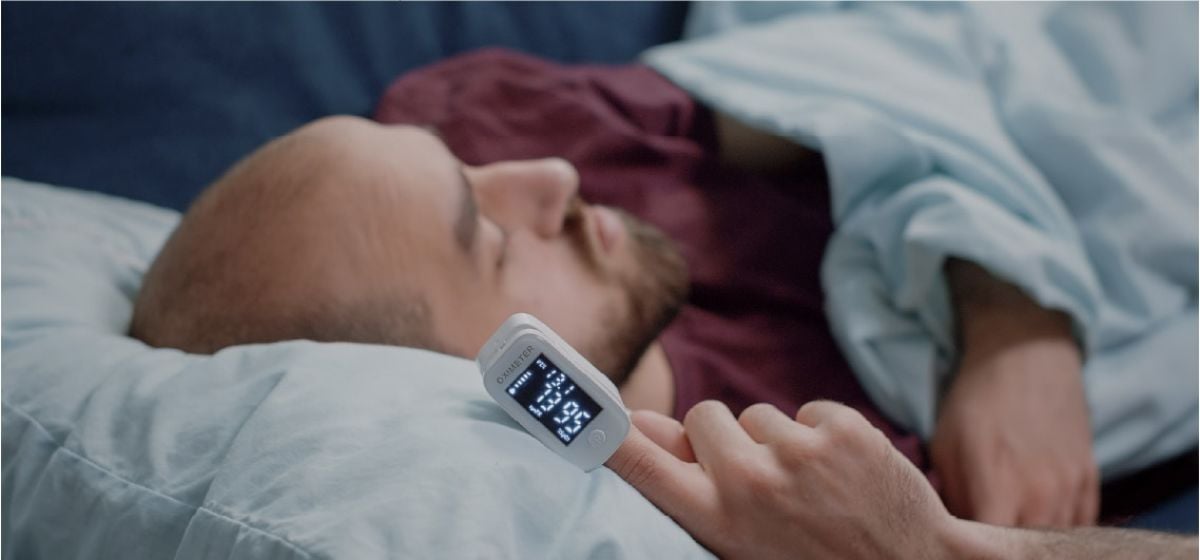
Why Does My Quality of Sleep Matter?
There are some aspects of sleep we still don’t fully understand. But we do know that sleep is as important to our development and well-being as eating, drinking, and breathing. Most of us feel better when we get enough sleep; we are more energized, alert, and happy. Why is that?
There are many theories, but no one definitive answer. Instead, we know that healthy sleep allows us to:
- Make smart decisions during the day.
- Consolidate our memories.
- Regulate our emotions.
- Support and strengthen our immune systems.
- Lower our blood pressure.
- Facilitate muscle repair and tissue growth.
We could talk about the benefits of sleep for days on end, but what you need to know is that sleep does matter. It helps you stay healthy and strong, which in turn allows you to achieve greater mental health stability. There is no overstating the importance of a good night’s sleep. How do you increase your odds of achieving just that?
When Should I See a Specialist?
Everyone struggles to get good sleep from time to time, but how do you know when your issues are significant enough to require the help of a specialist? Typically, we recommend seeking help anytime your mental health (including your sleep health) makes it difficult to perform daily tasks. Another good rule of thumb is that if your sleep issues continue for more than three months. Even something as simple as snoring or gasping for breath during sleep can require the attention of a sleep specialist. If you have more questions about this, talk to your primary care provider.
What Does a Sleep Specialist Do?
In addition to sleep medicine, most sleep specialists have a background in other medical specialties as well, like psychiatry, neurology, etc. This extra knowledge and experience allow them to get to the root cause of a person’s sleep issues.
If you’ve decided to see a sleep specialist, here is what you can expect them to do during your initial visit:
- Outline a detailed history of your sleep issues and concerns.
- Perform a physical exam.
- Order lab work and other diagnostic tests.
- Interpret the results of these tests.
- Diagnose a sleep disorder.
- Recommend further treatment options.
After this initial appointment, the specialist may recommend a sleep study to answer any remaining questions. They may also recommend that you see another medical professional, like a mental health counselor, an ENT, or a neurologist.
What Is a Sleep Study?
It can be difficult to pinpoint exactly what’s going wrong during sleep. You may not be conscious, but many of your body’s systems remain hard at work. A sleep study allows a specialist to monitor those systems while you’re asleep and identify any issues that may be affecting your quality or quantity of sleep.
Sleep studies are painless, non-invasive, and considered safe. When you take part in a sleep study, you can expect to check in at the facility before bedtime, around 9 PM. Usually, you will have your own room and bathroom for the night.
During the study, you will be asked to perform your regular bedtime routine, whether that includes reading, watching TV, or meditating. Then, you will have a series of sensors attached to your skin so the specialist can monitor your systems while you sleep. Typically, they will want to keep an eye on:
- Blood pressure
- Oxygen levels
- Brainwaves
- Heart electroactivity
- Eye activity
If you have questions about what to expect during your sleep study, the sleep specialist can provide you with answers and informational materials. Sleep studies can be a great way to gather information and make informed decisions about your sleep health, but they are nothing to worry about.
What Happens After a Sleep Study?
Unfortunately, the results of a sleep study are not immediately available. It will take the specialist some time to evaluate the results and draw conclusions about your health. Within one or two weeks, you should hear back about your results and the recommended treatment moving forward.
Where Does Counseling Fit In?
In many cases, a sleep specialist will recommend counseling as a treatment for a sleep disorder. This is usually appropriate when stress, intrusive thoughts, or other mental health conditions are contributing to poor sleep.
At NPS, we typically recommend Cognitive Behavioral Therapy for our clients who suffer from sleep disorders. Often, the causes of disrupted sleep are harmful thoughts, beliefs, and behaviors. With CBT, you can learn how to interrupt detrimental thought processes and divert them. Additionally, CBT can be used to help you establish healthier bedtime habits and routines.
Therapists
These are our therapists who are experienced in working with Sleep Disruption (Disorder).